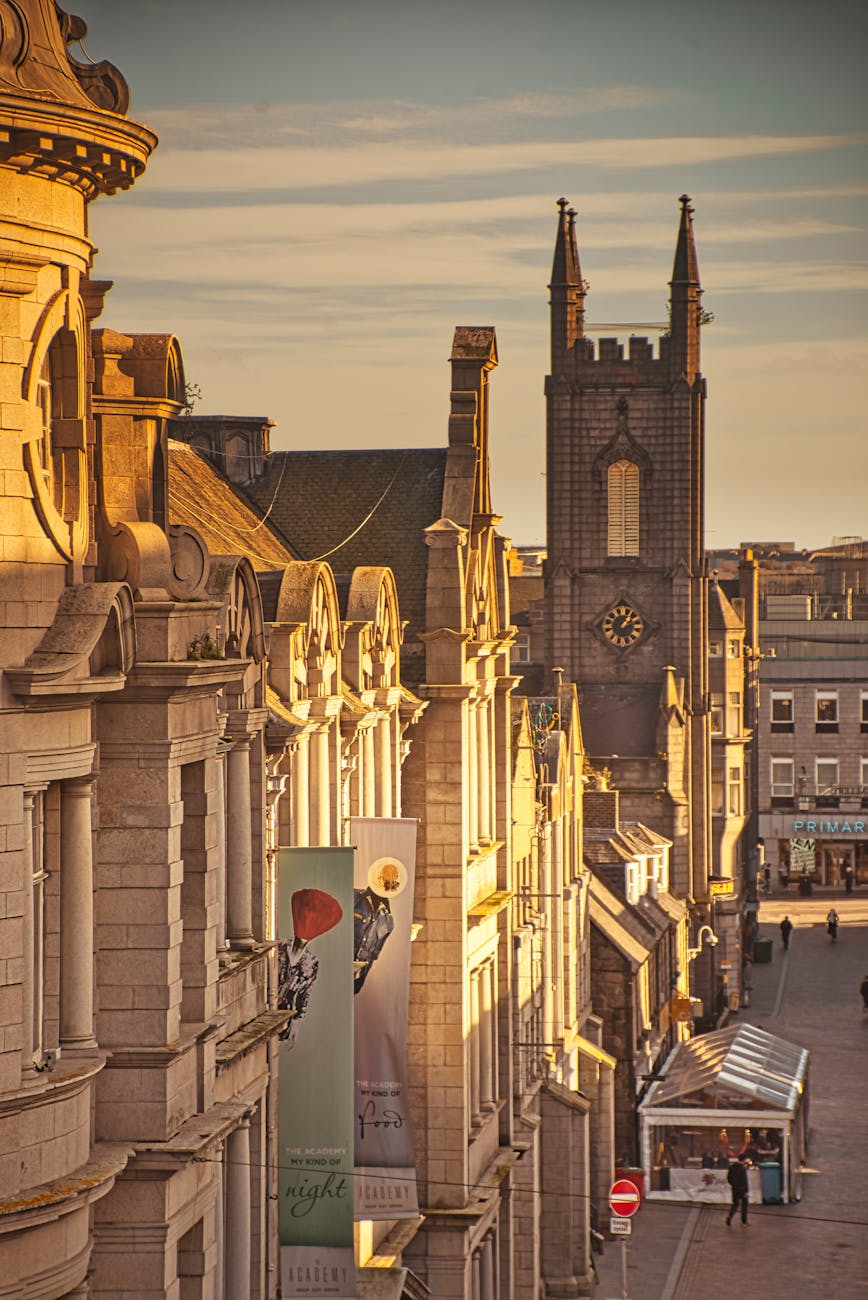
Aberdeen’s King Street is just under two miles long. A straight line of grey that cuts along the city’s coastal edge. Its glory days are past – what remains are the seagulls, shuttered shops and remains of ragged saltires clinging to the lampposts.
On a recent visit to the Granite City, driving the length of King Street, my parents pointed out former hotels and student blocks used as temporary accommodation for asylum seekers. These sites have become flashpoints for protests between those opposed to the housing of asylum seekers (including appearances from neo-Nazi and far right groups) and the city’s mobilised anti-fascist movement.
Aberdeen is a case study in boom and bust. The West End restaurants of the 90s and 00s have closed and the soft top sports cars have zoomed off elsewhere. Growing up in Aberdeen during its boom years, a decision faced many young people: work in the oil and gas industry or leave. Almost everyone I knew left and never returned.
Immigration – and an influx of younger, working age people – could offer places like Aberdeen a lifeline but it has become weaponised by many on the right. Protestors push false claims that asylum seekers make areas less safe, justifying their actions as ‘protecting women and children’. This ‘protection politics’ has also manifested in attacks against the city’s Muslim communities, including vandalism of the Aberdeen Mosque and Islamic Centre.
In an excellent piece for The Guardian, Libby Brooks interviewed Omowunmi Ola-Edagbami – a Nigerian woman who moved to Aberdeen as a student in 2022. Ola-Edagbami explained: ‘Welcoming is not the same as fully understanding or including, and that’s the gap where many immigrant stories live’. This distinction between welcoming and including feels important: while Scotland is good at welcoming, I’m less sure how good Scotland is at including.
Reform takes to the stage
The North East of Scotland is fertile territory for Reform UK in the Scottish parliamentary elections on 7 May, where they hope to scoop at least three seats in the region. Across Scotland, Reform is predicted to win between 16 and 21 seats, around 14% of the parliament’s 129 seats. With six parties likely to have candidates elected as MSPs, the upper-end of this prediction would put Reform in second place (although well behind the SNP, which is forecast to remain the dominant party with between 60 and 64 seats).
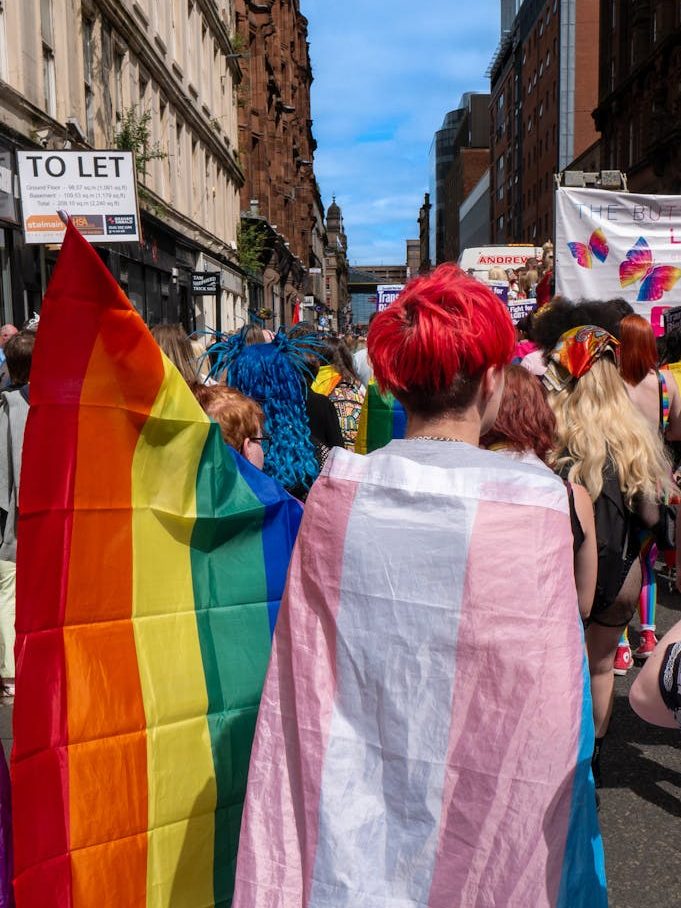
Stopping immigration is, of course, the primary fixation of Reform. But its upcoming debut in Scottish politics matters for other marginalised groups too – including the country’s LGBTQ communities. Using the same playbook as the MAGA movement in the USA and other right wing populist projects, Reform is presenting itself as the chief opponent to all things ‘diversity, equality and inclusion’. Suella Braverman, former Conservative Home Secretary and recent Reform convert, has said the party would scrap the 2010 Equality Act. While Reform leader Nigel Farage has promised to get ‘rid of the pernicious, divisive notion of protected characteristics’ and argued that the legalisation of same-sex marriage in England and Wales in 2013 was ‘wrong’.
I wonder how it might feel – on 8 May 2026 – to live in a country where Reform is the second biggest party in parliament? Since reconvening in 1999, the Scottish Parliament has largely kept hard-right figures on the outside. Reform as the second biggest party in the chamber would bring this era to an end.
The creeping influence of right wing populism
Even if this election supercharges the tally of Reform MSPs from one defector to the high teens, it does not mark the arrival of right-wing populism in Scottish politics. That happened years ago. The Tories, particularly since the leadership of Douglas Ross (2020-24), have adopted an approach to politics where a return to the past is proposed as a radical blueprint for the future. The party’s 2026 election slogan is ‘common sense for a change’, an apt example of how nostalgia for an imagined past is repackaged as a break from the status quo.
Other parties have also courted right wing talking points in an effort to expand their political reach. Labour Leader Anas Sarwar, for example, has focused particular attention on the issue of transgender people housed in Scotland’s prisons, an estimated 19 individuals. In a front page splash for the Daily Record, Sarwar promised to ban transgender women from female prisons within days if elected as First Minister. Scottish Labour, more generally, has highlighted the need to defend ‘single-sex spaces for biological women in services, in sport and in everyday life’. Sarwar – perhaps to his credit – appears unsuited as a mouthpiece for this brand of ‘protection politics’ and has been accused of ‘cynical opportunism’ following his late-day conversion to the defence of ‘biological women’.
The SNP government is also not innocent. It has all but abandoned efforts to advance LGBTQ equalities following the collapse of the Gender Recognition Reform Bill in 2023, after the UK government torpedoed the legislation with a previously unused Section 35 order. Past promises to introduce a ban on conversion practices, implement recommendations from the Scottish Government’s Non-binary Working Group and enshrine human rights protections in law have failed to materialise. Yet, what the government has found time to do is include a biological definition of sex in expanded hate crime legislation – a move intended to placate a vocal minority of trans-exclusionary campaign groups (yet opposed by most of Scotland’s women’s groups and their own expert working group on misogyny and criminal justice). Inaction has become the default setting of the SNP government, which – given the current global situation – is not the worst situation to find ourselves in. Change has been relegated to something that will happen just over the hill; with the crest of the hill, we are led to believe, being the Holyrood elections.
A new political chapter in Scotland
The Scottish Parliament – as an institution – faces the start of a new chapter. Forty-two of the current 129 MSPs are standing down (almost one third of all MSPs). The dream of a better way of doing politics has failed many – particularly women, those with caring responsibilities and/or health issues.
While the election is unlikely to signify a right wing take-over, particularly when the predicted gains of the Scottish Greens are factored into the mix, it does suggest an infiltration of a different kind of politics. Whether it’s the First Minister resigning over unregistered expenses (as was the situation of Henry McCleish in 2000) or MSPs gathering en-masse in the garden lobby wearing rainbow ties in support of the Time for Inclusive Education campaign, there is a quiet history of Scottish politicians doing the right thing. This history might now seem couthie but I don’t want to let it go. Particularly if it is to be replaced by MSPs intent on wrecking institutions, peddling conspiracy theories, and a politics oriented around fear of the ‘other’. Holyrood was intentionally designed not to become a circus – with Westminster evoked as a blueprint for what to avoid. But a circus it risks becoming.
Late afternoon on 12 February 2026, the sun finally shone in Aberdeen – ending the longest stretch of sunless days recorded in the city (21 days) since Met Office records began in 1957. As Aberdonians emerged from the gloom, a new year lay ahead that looks set to reconfigure the political mood in the city and the wider country. I am sceptical as to whether Scottish institutions are meaningfully prepared to defend themselves against future changes, include wrecking attempts. The USA offers a cautionary tale: many institutional totems quickly crumbled – from major arts organisations to research funders – following Donald Trump’s return to the White House. In Scotland, it is vital we use this prelude to strengthen institutional resilience and ready ourselves for what might come next.
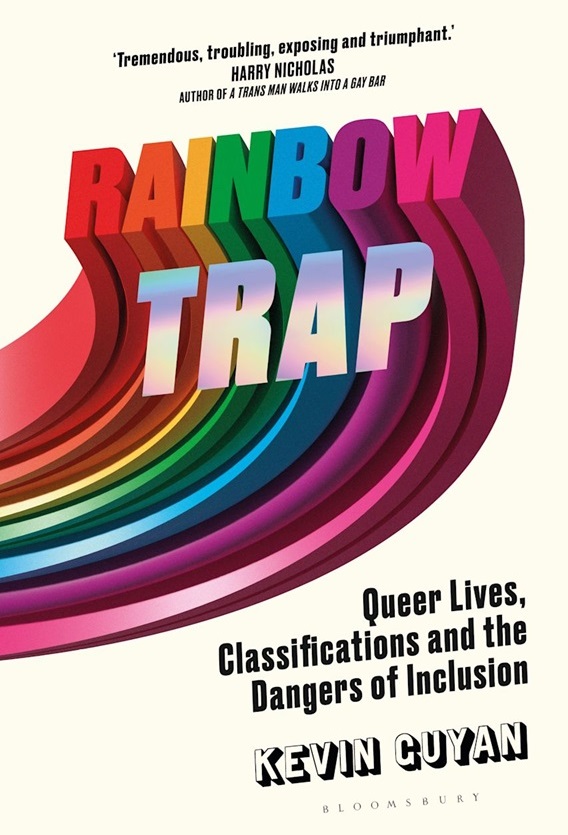
Kevin Guyan is the author of Rainbow Trap: Classifications, Queer Lives and the Dangers of Inclusion (Bloomsbury Academic, 2025) and Director of the University of Edinburgh’s Gender + Sexuality Data Lab.


Leave a comment